
A complete guide to Electronic Medical Records (EMR) in India — benefits, regulations, adoption hurdles, and how clinics are going paperless with Ninto.
When managed well, these records empower doctors to save lives. But in an era of digital leaks, they also carry a heavy burden of risk. Under the Limitation Act 1963 and the Consumer Protection Act 1986, Indian healthcare providers are legally required to keep outpatient records for at least 2 years and inpatient/surgical records for 3 years.
However, the real question isn't just about retention, it’s about protection. Who is watching your data when you aren’t?
Why Medical Records Privacy in India is Non-Negotiable
Privacy in healthcare isn't a "luxury" feature; it’s a fundamental right. Your records house your Aadhaar number, residential address, insurance IDs, and sensitive diagnoses. If this data hits the "dark web" or falls into the wrong hands, the consequences are personal and permanent:
Identity Theft & Financial Fraud: Stolen health data is often used to file fraudulent insurance claims or open credit lines.
Unauthorized Data Mining: Some organizations may sell patient data to competitors, leading to aggressive, unsolicited marketing that targets your specific vulnerabilities.
Social Stigma & Discrimination: For conditions involving mental health or reproductive history, a leak can lead to workplace discrimination or social ostracization.
The Trust Gap: Patients who don't trust the system tend to omit details. When you hide information from your doctor out of fear, your treatment suffers.
EMR Data Privacy: The Digital Double-Edged Sword
The transition to Electronic Medical Records (EMR) has made healthcare faster, but it has also widened the attack surface for hackers. As more EMR apps flood the Indian market, we are seeing two primary ways to safeguard data:
Anonymization: Removing "Personally Identifiable Information" (PII) so the medical data exists without being linked to your name.
Restricted Access: Implementing strict "need-to-know" protocols where only your specific physician can view the file.
In today's interconnected world where labs, insurers, and specialists must collaborate, locking data in a single doctor's desk isn't realistic. The future lies in secure, neutral platforms like Ninto, which bridge the gap by ensuring care continuity without sacrificing data integrity.
The Legal Landscape: Is India Protected?
For years, India lacked a dedicated equivalent to the US HIPAA laws. However, the landscape shifted dramatically in 2023:
Digital Personal Data Protection (DPDP) Act 2023: This is India’s landmark privacy law. It treats health data as "special" and mandates heavy penalties for companies that fail to protect it.
DISHA (Digital Information Security in Healthcare Act): A proposed law specifically designed to give patients ownership over their health data.
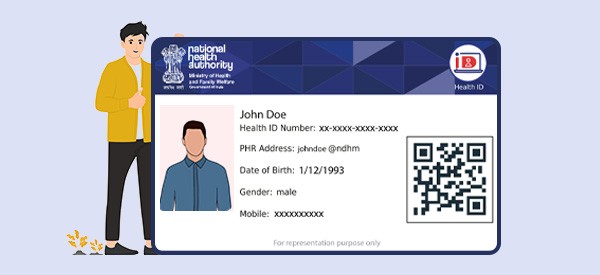
Ayushman Bharat Digital Mission (ABDM): This initiative is standardizing how digital health IDs work, emphasizing "consent-based" sharing.
Frequently Asked Questions
How long must hospitals in India keep my records?
Legally, outpatient records are kept for 2 years, while inpatient/surgical records are kept for 3 years. However, many premium hospitals now archive digital records indefinitely for better longitudinal care.
Does India have a HIPAA equivalent?
While we don't have a law called "HIPAA," the DPDP Act 2023 provides similar (and in some cases, stricter) protections regarding how your data is processed and stored.
Can my doctor sell my data to pharma companies?
Absolutely not without your explicit, informed consent. Under the IT Act and the new DPDP Act, selling sensitive personal data without permission is a punishable offense.
What is the safest way to store my records?
Moving away from physical paper (which can be easily lost or photographed) toward encrypted, EMR-compliant platforms is the safest bet for modern patients.